Lavazza
Creating coherence across a fragmented brand ecosystem in the U.S. market.
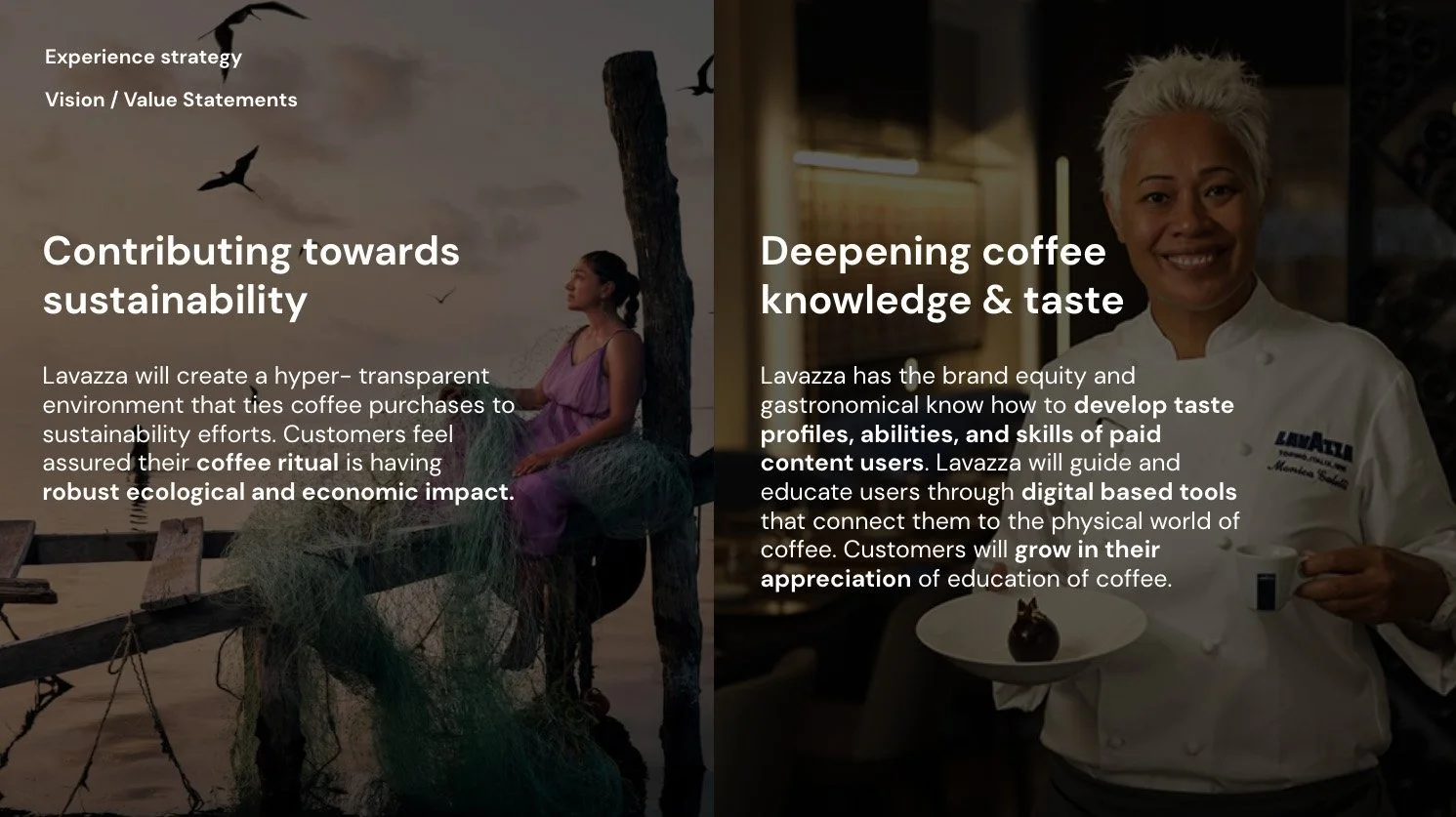
Despite being one of Europe’s most recognized coffee brands, Lavazza faced low visibility and fragmented consumer engagement across the U.S. market. Its digital, retail, hospitality, and distribution environments operated unevenly across B2B and B2C channels, limiting the brand’s ability to establish a coherent presence within an increasingly competitive coffee landscape.
Lavazza needed a clearer strategic framework capable of aligning its brand, customer experience, and operational ecosystem around a more differentiated and scalable position in the U.S.
The structural tension
The challenge was not simply increasing brand awareness. Lavazza already possessed strong cultural and premium brand equity through its associations with design, hospitality, fine dining, and Italian coffee tradition.
The deeper issue was structural fragmentation across the ecosystem. B2B and B2C environments operated independently, customer touchpoints lacked coherence, and digital experiences did not adequately support discovery, engagement, or long-term relationship building across the U.S. market.
Without a unified experience and ecosystem strategy, the organization struggled to translate existing brand strength into a scalable and differentiated market position.
My role
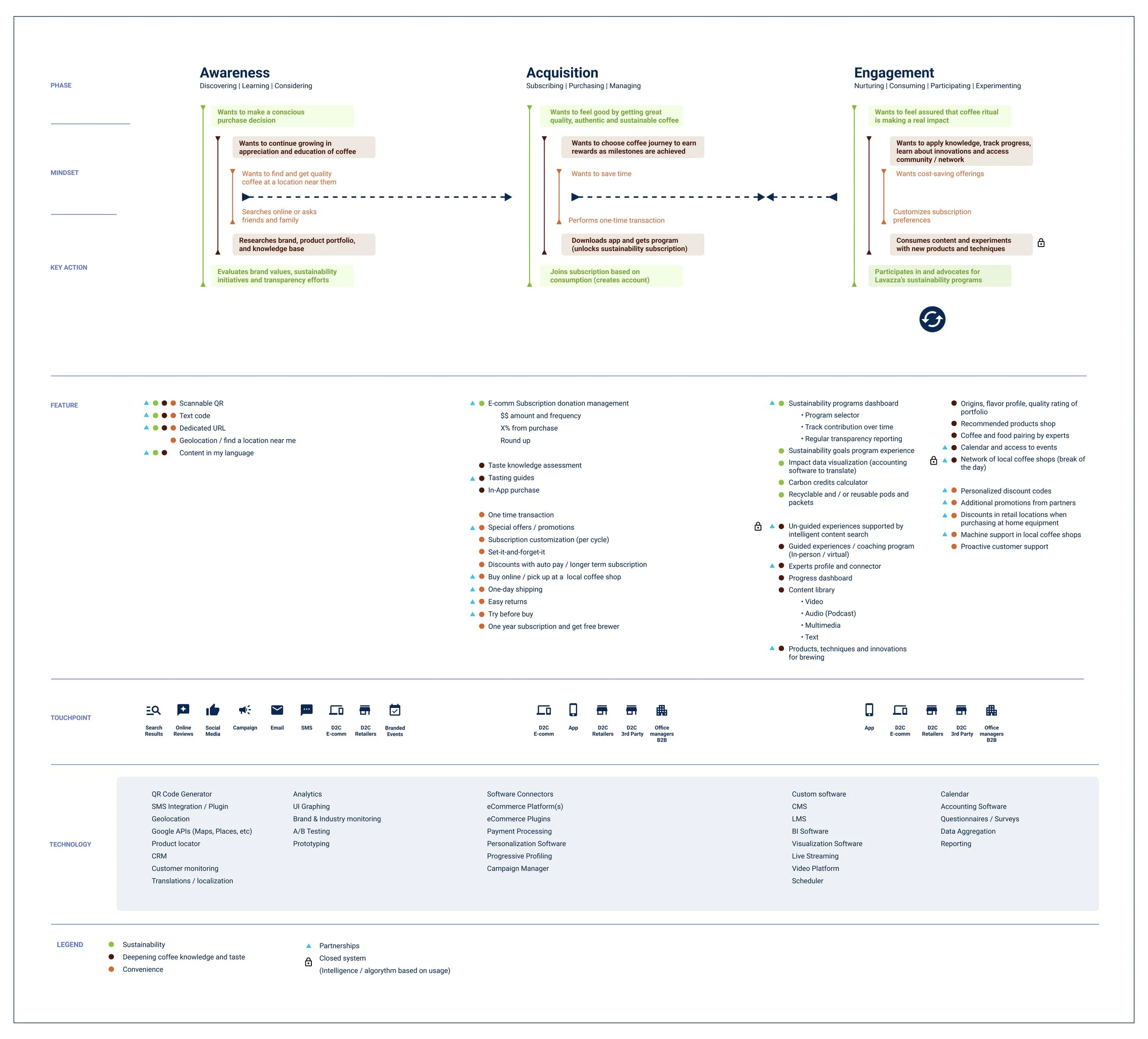
I led the definition of the experience and ecosystem strategy from research through implementation planning — helping structure how Lavazza could operate more coherently across digital, retail, hospitality, and brand environments within the U.S. market.
The work required coordinating stakeholders across strategy, business, design, data, and consumer research disciplines around a shared framework capable of supporting both brand differentiation and long-term growth across fragmented B2B and B2C environments.
A major part of the work focused on understanding how U.S. consumers perceived premium coffee culture, mapping how customers moved across physical and digital touchpoints, and identifying where disconnected operational structures were limiting engagement, discovery, and long-term ecosystem coherence.
The project combined market analysis, ecosystem mapping, consumer validation research, and strategic positioning work to help establish a more connected operational and customer experience foundation for Lavazza’s expansion in the U.S. market.
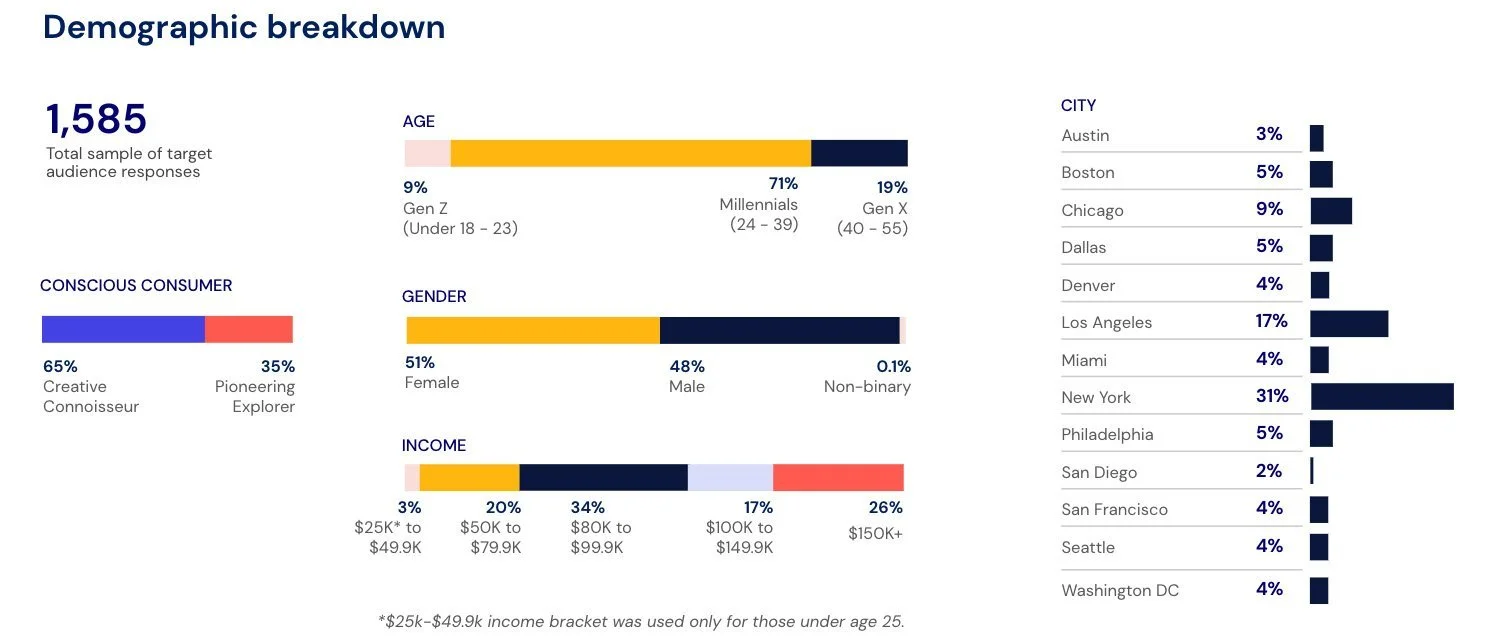
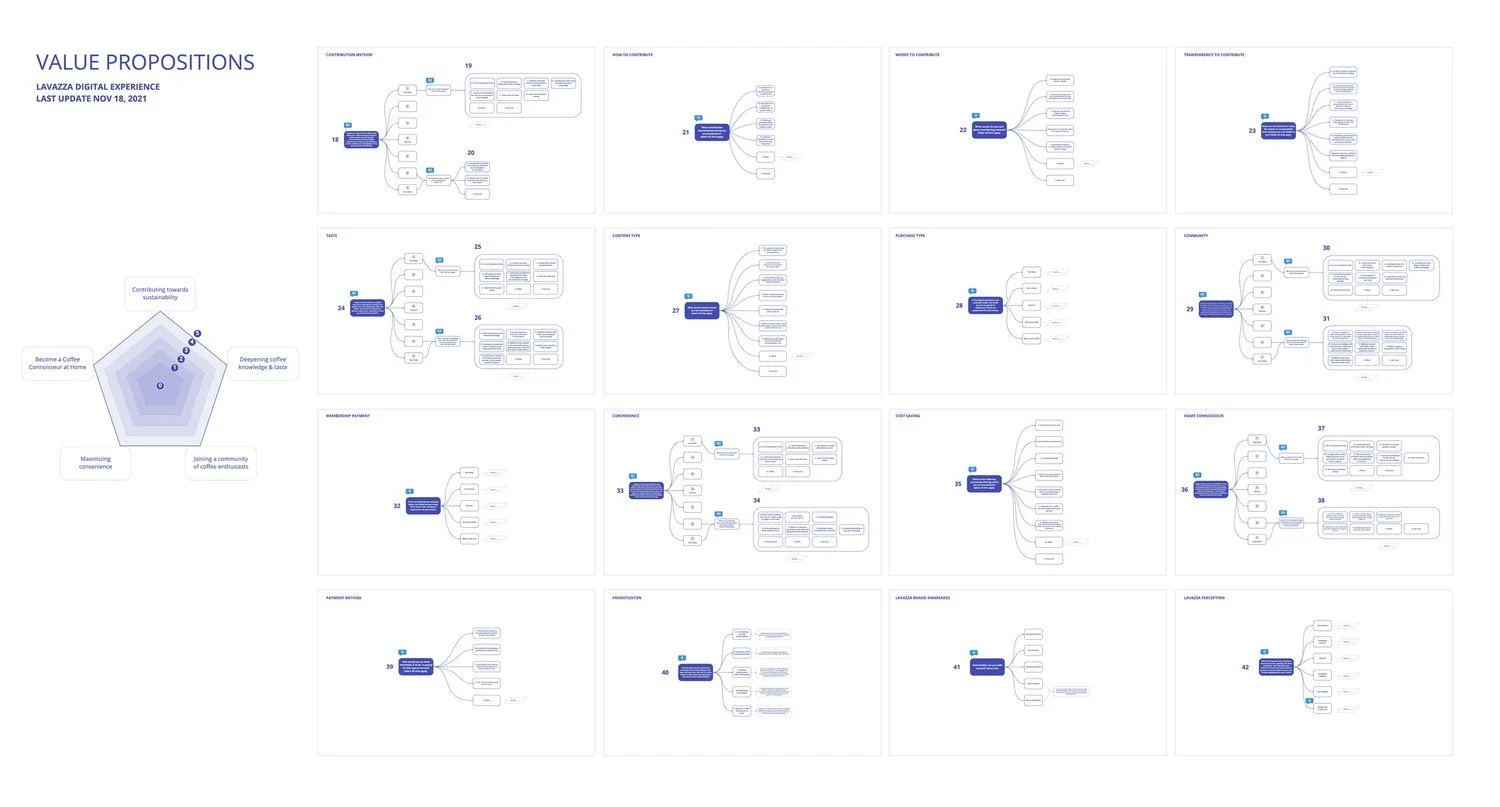
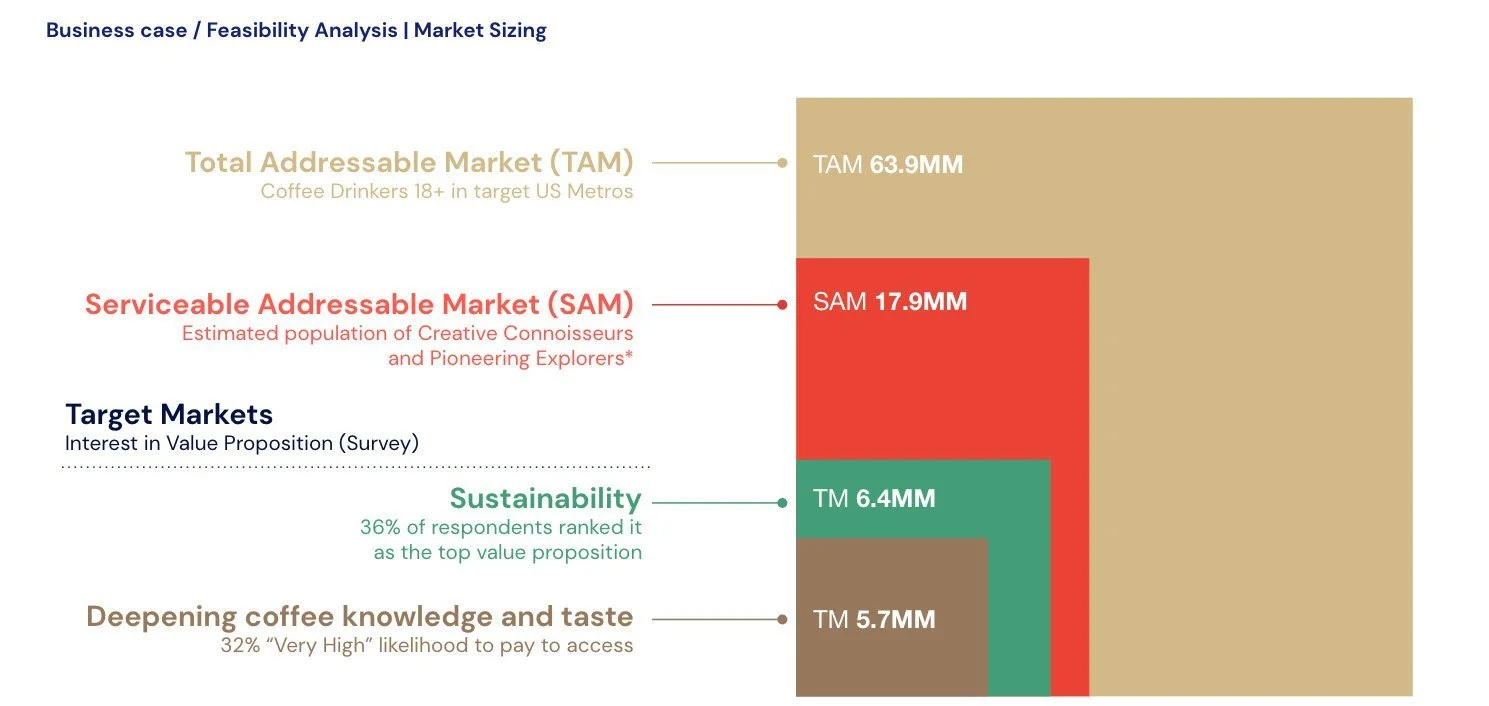
Market segmentation analysis helped identify how different audiences related to sustainability, coffee culture, and experiential discovery across the ecosystem.
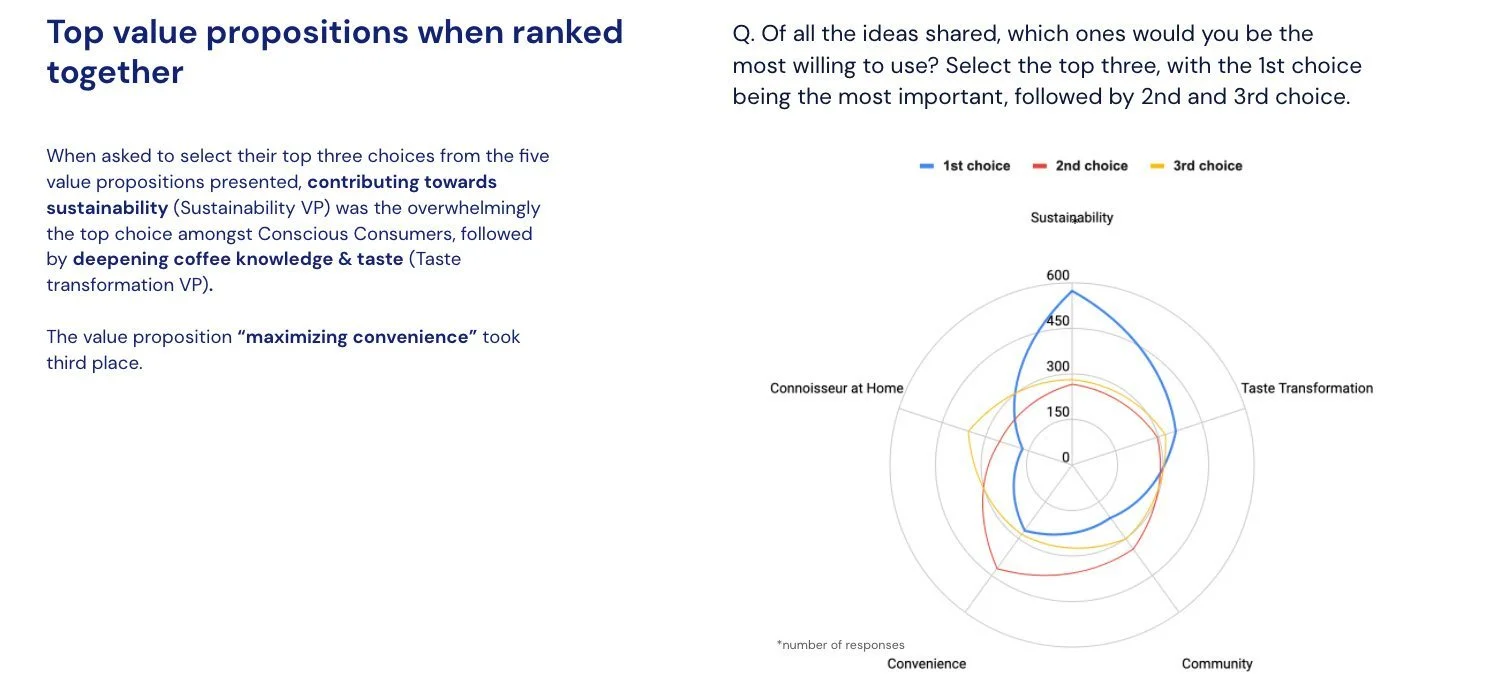

The strategic positioning work focused on identifying where Lavazza’s existing strengths could create differentiated relevance within an increasingly crowded premium coffee landscape.
The framework
A strategy for differentiation and growth
Rather than positioning Lavazza purely as a premium coffee product, the work reframed the brand as a connected cultural and experiential ecosystem capable of creating stronger relationships with U.S. consumers.
The strategy established multiple layers of coordination across the brand environment:
Sustainability positioning connecting ethical sourcing and responsible consumption with evolving consumer expectations
Experience-driven engagement models centered around discovery, education, and coffee culture
Unified ecosystem structures aligning B2B and B2C touchpoints more coherently across channels
Omnichannel coordination supporting consistency across digital, retail, and hospitality experiences
The framework focused not only on visibility, but on creating a more scalable and differentiated system for how consumers could discover, experience, and engage with the brand over time.
Structuring the ecosystem
Research across stakeholder interviews, market analysis, and consumer validation revealed distinct behavioral and cultural patterns shaping how U.S. audiences perceived premium coffee experiences.
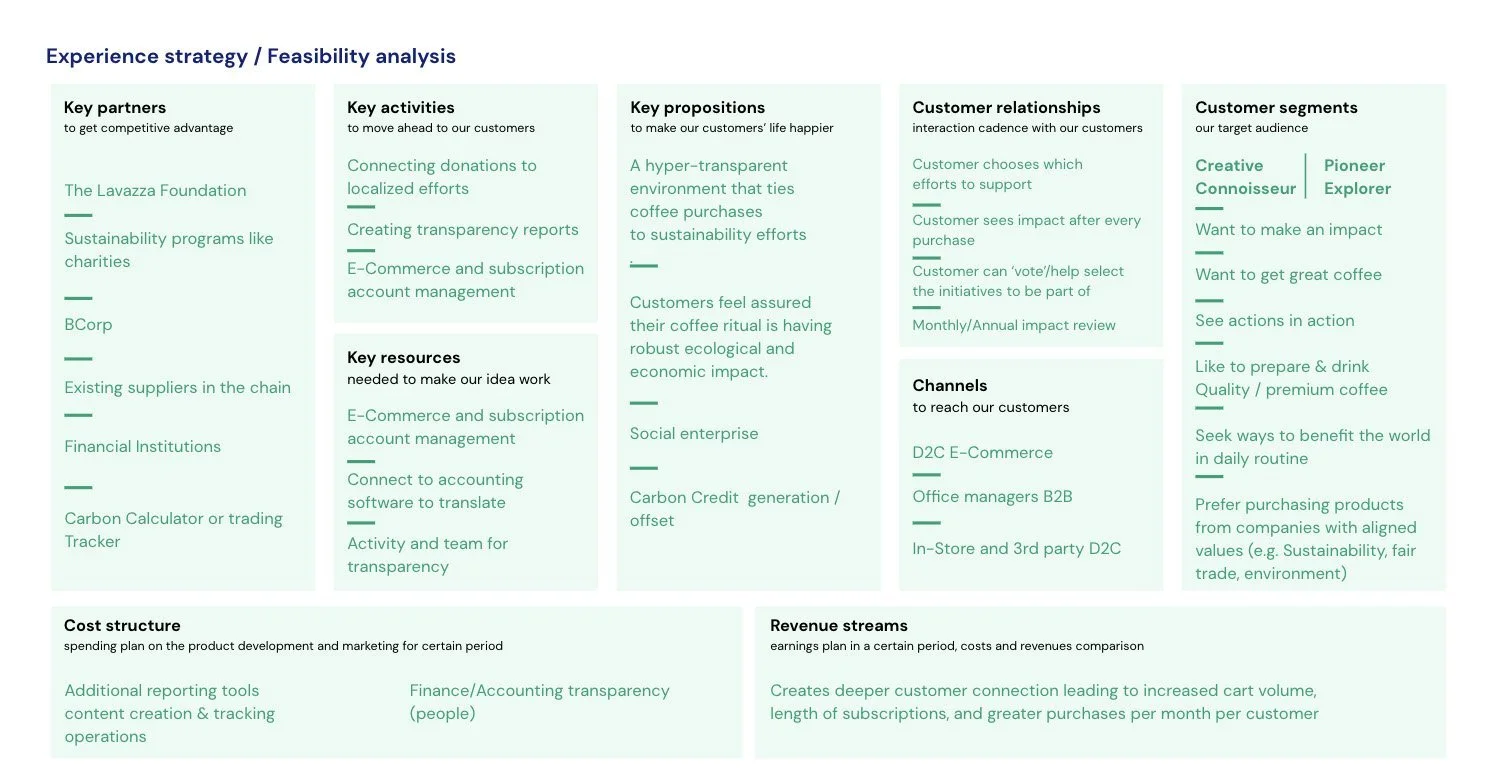
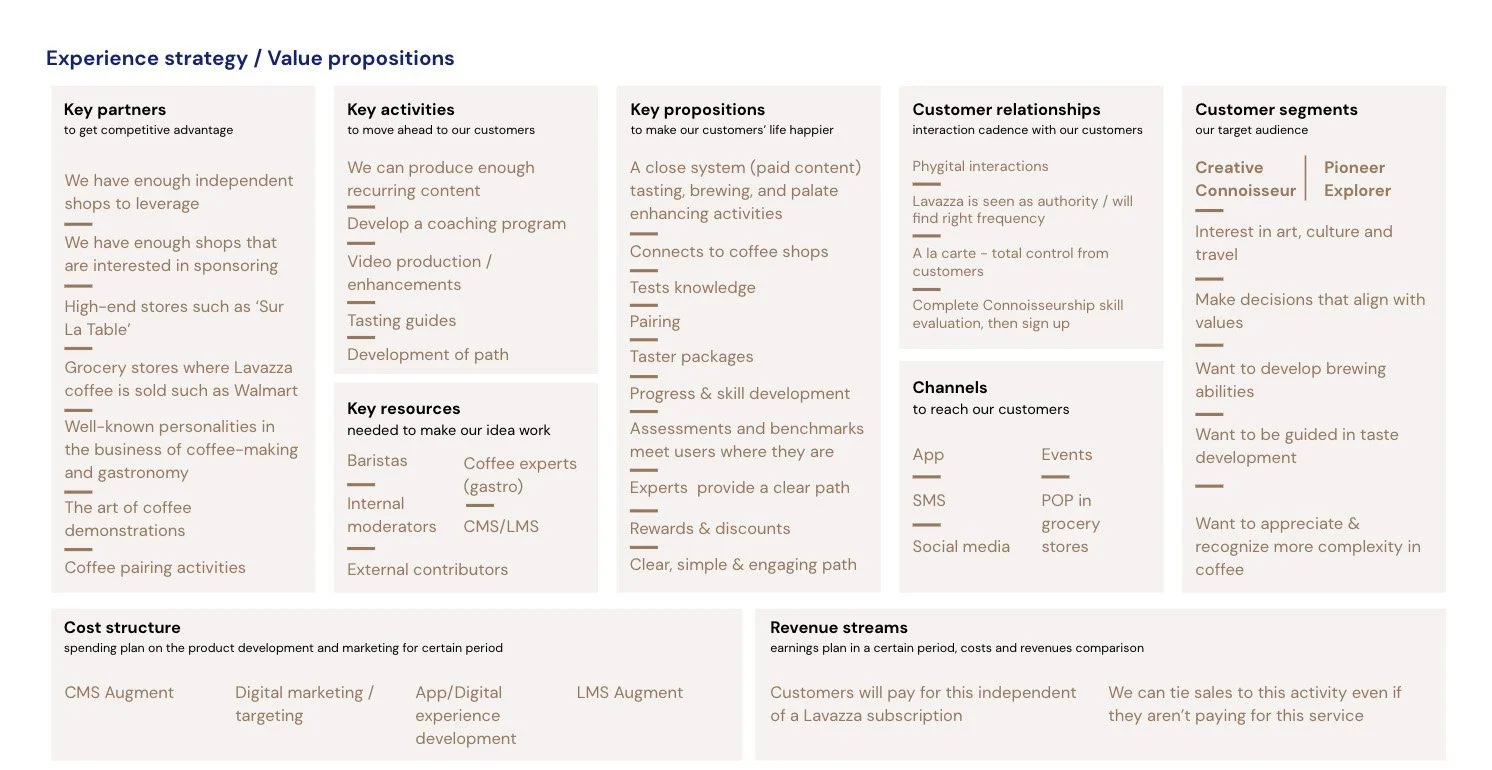
These findings informed a more structured ecosystem strategy across key consumer segments:
Conscious consumers
Consumers prioritizing sustainability, ethical sourcing, and responsible brand practices.
Creative connoisseurs
Audiences seeking more elevated, experiential, and culturally differentiated coffee interactions.
Pioneering explorers
Consumers interested in discovering European coffee culture and new rituals around coffee consumption.
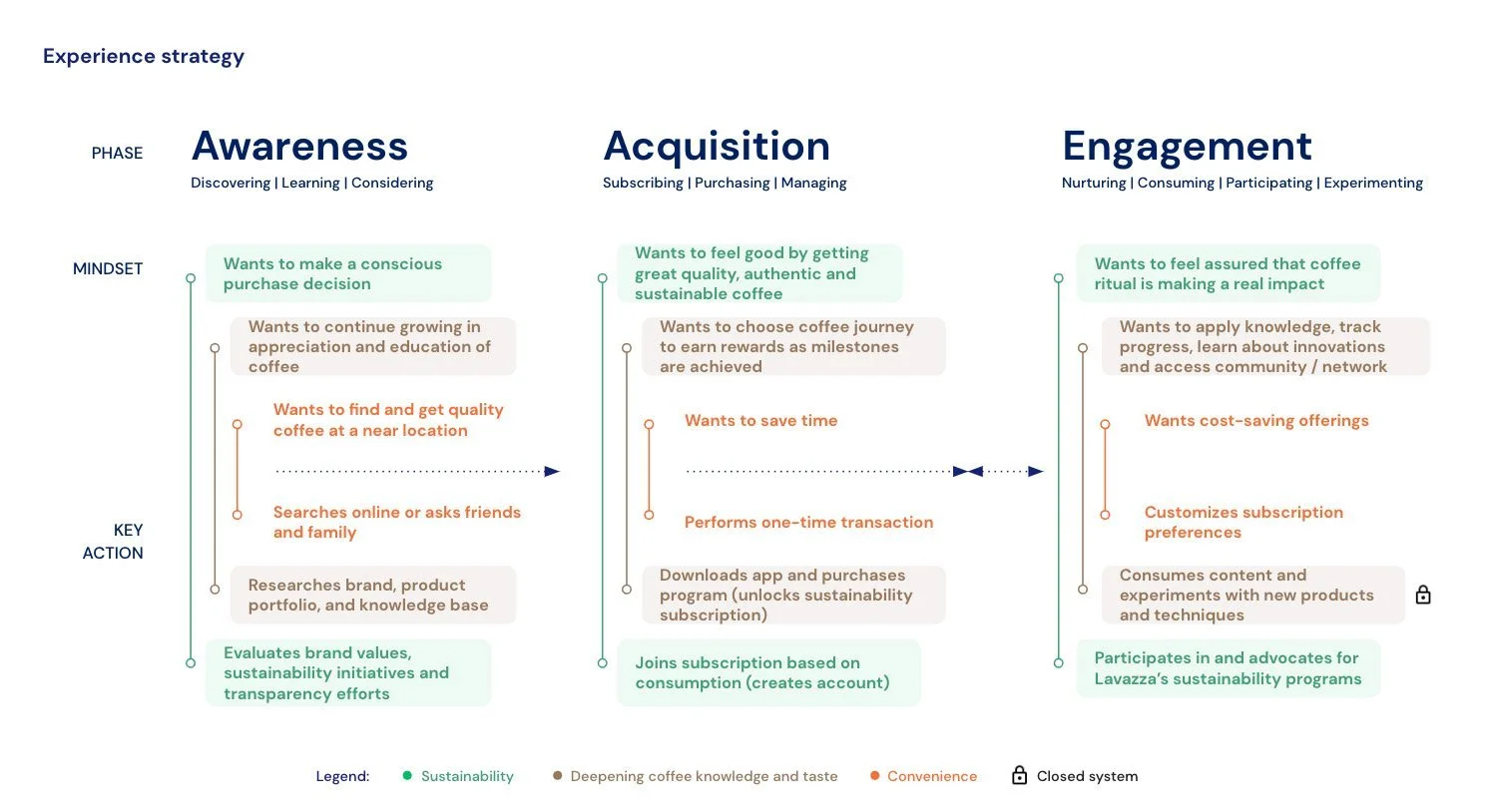
The work also mapped how consumers moved between discovery, engagement, purchase, and long-term loyalty across physical and digital touchpoints — helping establish a more connected operational and experience framework across the ecosystem.
What changed
The project established a clearer strategic and operational foundation for how Lavazza could strengthen its position within the U.S. market while operating more coherently across channels, audiences, and customer environments.
The work aligned fragmented B2B and B2C experiences under a more unified ecosystem strategy, helping leadership identify scalable growth opportunities and prioritize future investment areas across the organization.
In 2023, Lavazza’s U.S. market revenue grew 9.8% in value, significantly outperforming broader coffee industry growth trends.
Beyond market positioning, the work helped establish a more connected framework for how the brand could evolve across digital, retail, hospitality, and consumer experience environments over time.