How I work
Every project is different. The questions change. The organizations change. The technologies change.
What stays constant is where the work begins — not with a fixed process, but with the conditions that allow better decisions to emerge.
The strongest work I have been part of rarely came from design alone. It came from the exchange between research, engineering, product, business, operations, and the people ultimately affected by the outcome. My role is to help those perspectives come together around a clearer understanding of what is actually worth building — and then stay with the work as it becomes real.
AI has become a genuine part of how I think. Not because it replaces judgment, but because it holds a question open longer than I could alone. The decisions remain human. AI simply helps create better conditions for making them.
Making the invisible visible
Every organization arrives with a version of the problem already formed — briefs, research, decks, prior attempts. That material matters and deserves careful attention.
But the fuller picture surfaces elsewhere. In casual conversations. In how people describe their day. In the gap between what leadership believes is happening and what frontline teams actually experience.
Language is one of the most revealing signals. Every organization has its own — the words people use to describe a problem, the ones they avoid, the ones that mean different things depending on who is speaking.
Listening carefully to all of it, and watching how people work, is where the real investigation begins.
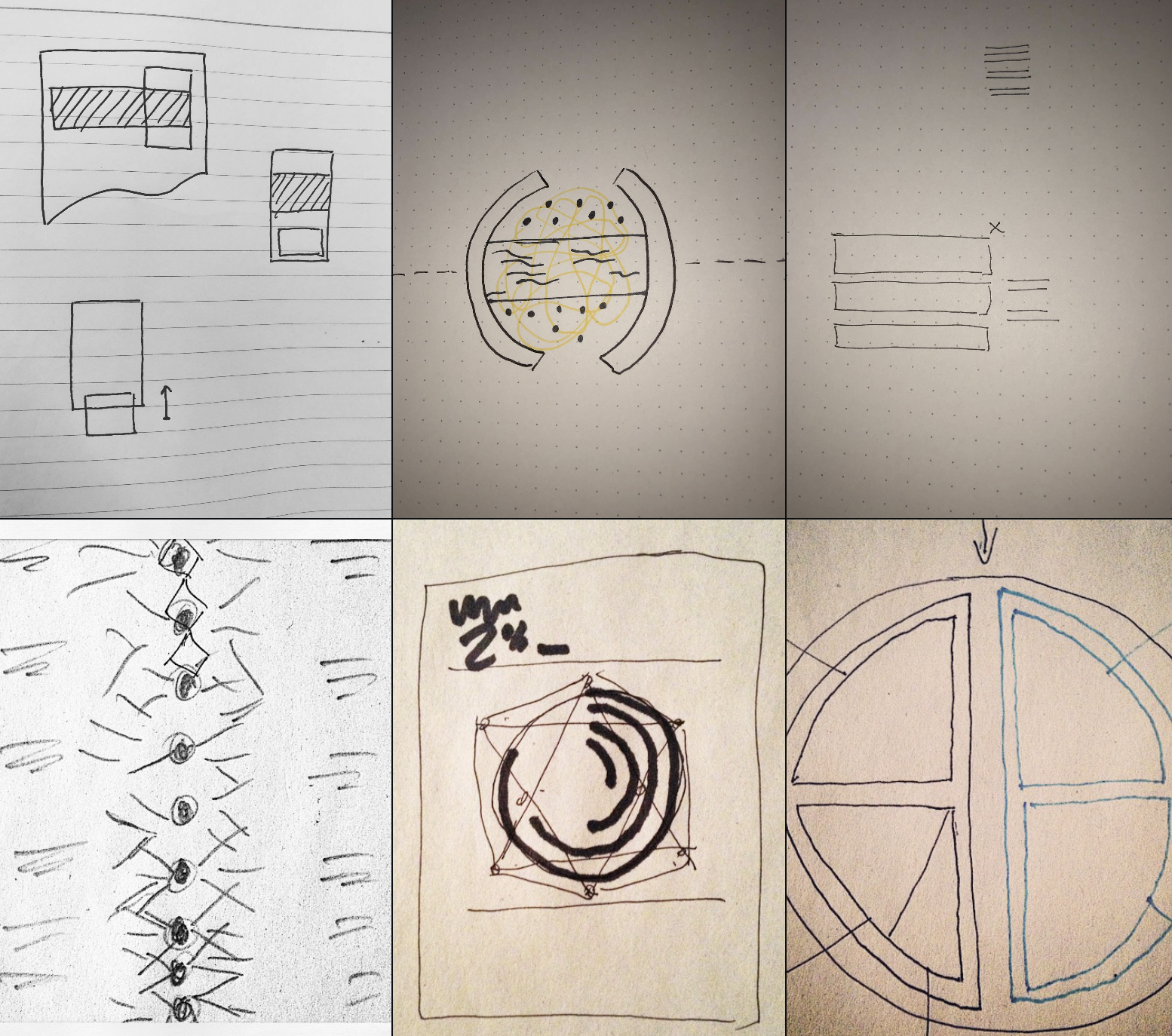
Giving ideas enough form
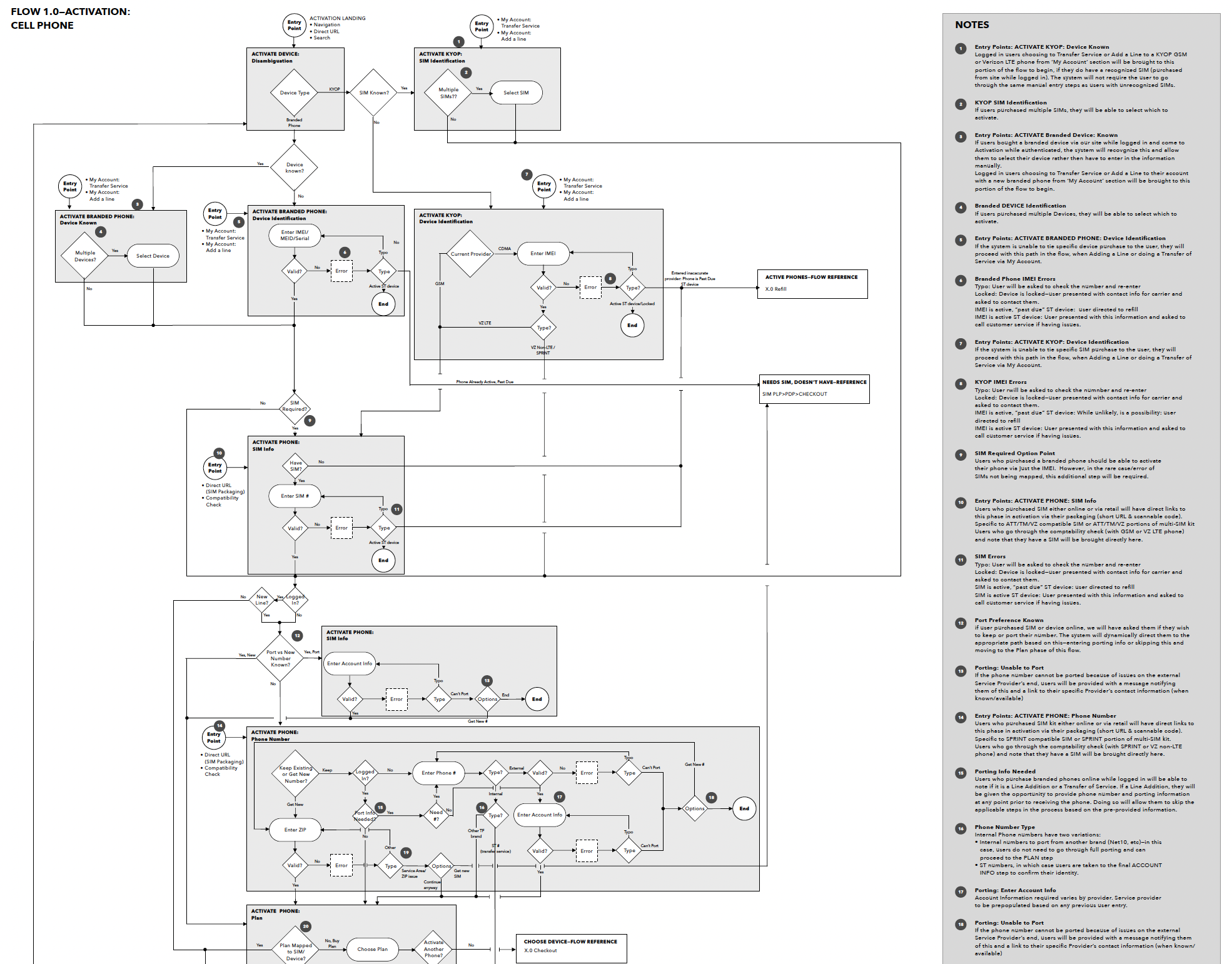
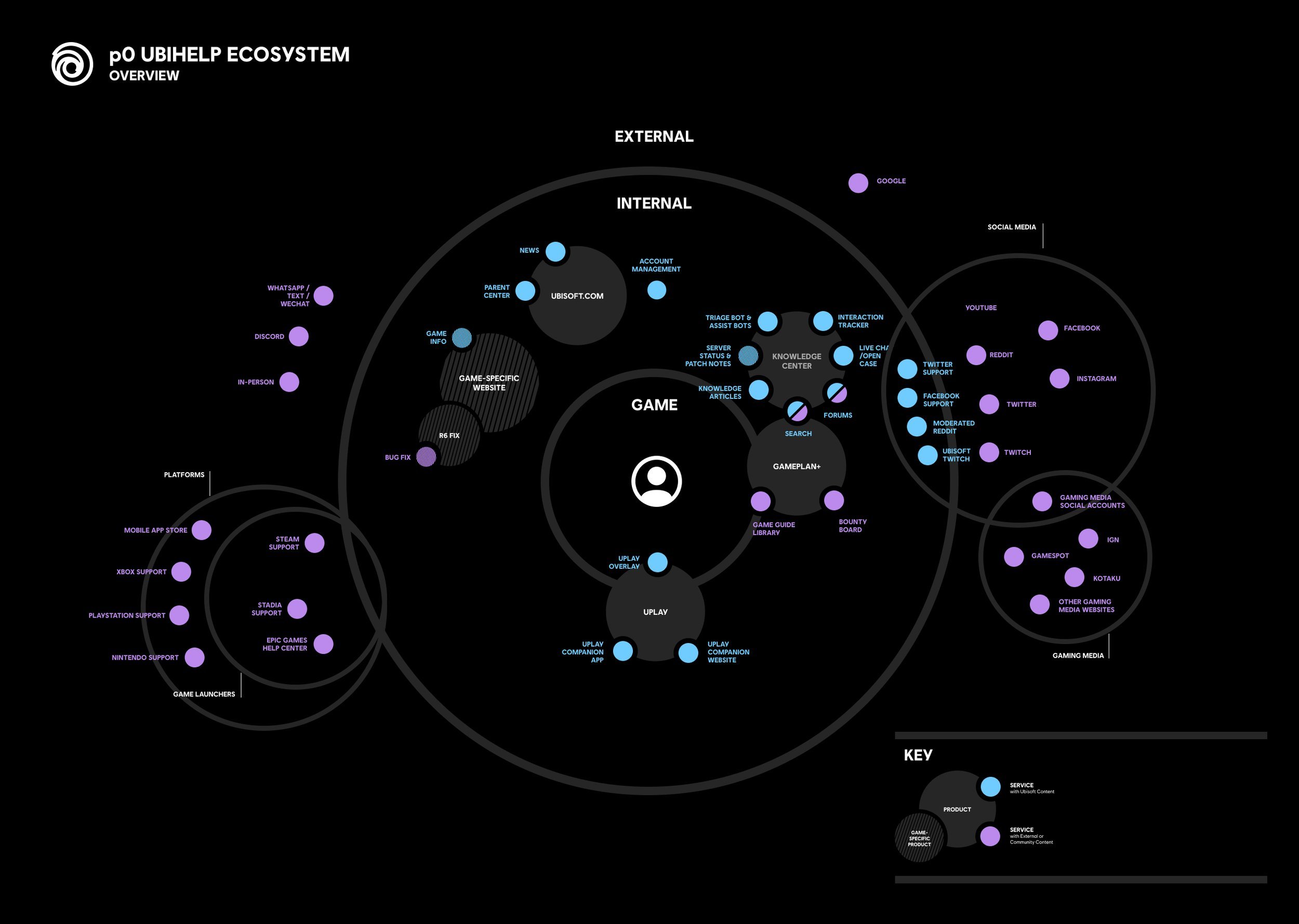
The moment something takes shape — a sketch, a flow, an architecture, a service map — something shifts.
Abstract agreement gives way to specific questions. What the business assumed and what the person actually needs begin to show their distance from each other. Gaps that were invisible in conversation become impossible to ignore on a page.
This is why form matters early. Not to produce deliverables, but to create the conditions where the right problems surface before the wrong solutions get built.
Every sketch carries embedded knowledge — about who the product exists for, what they actually need, and where the current thinking falls short. Making that knowledge visible is as important as anything that follows.
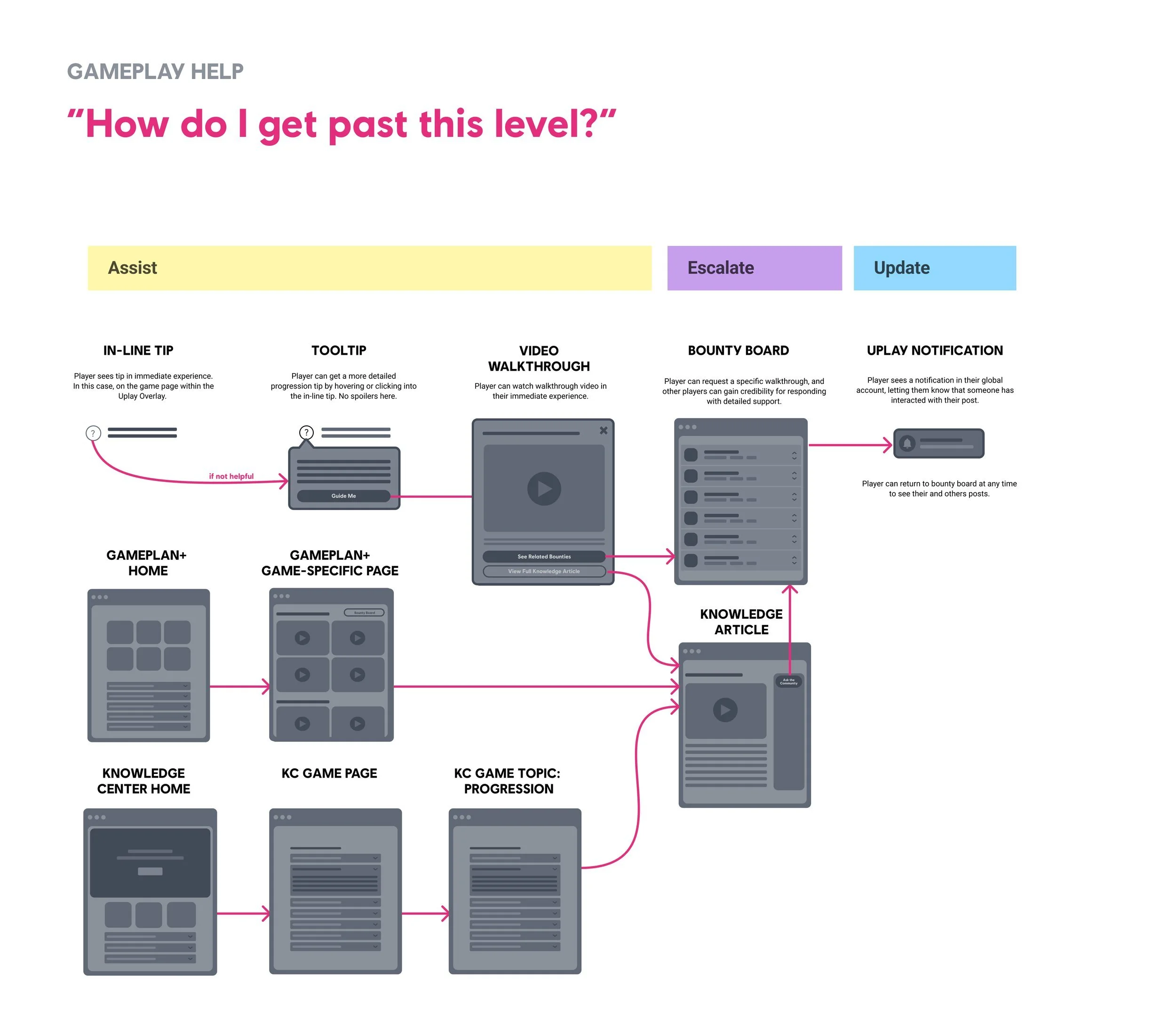


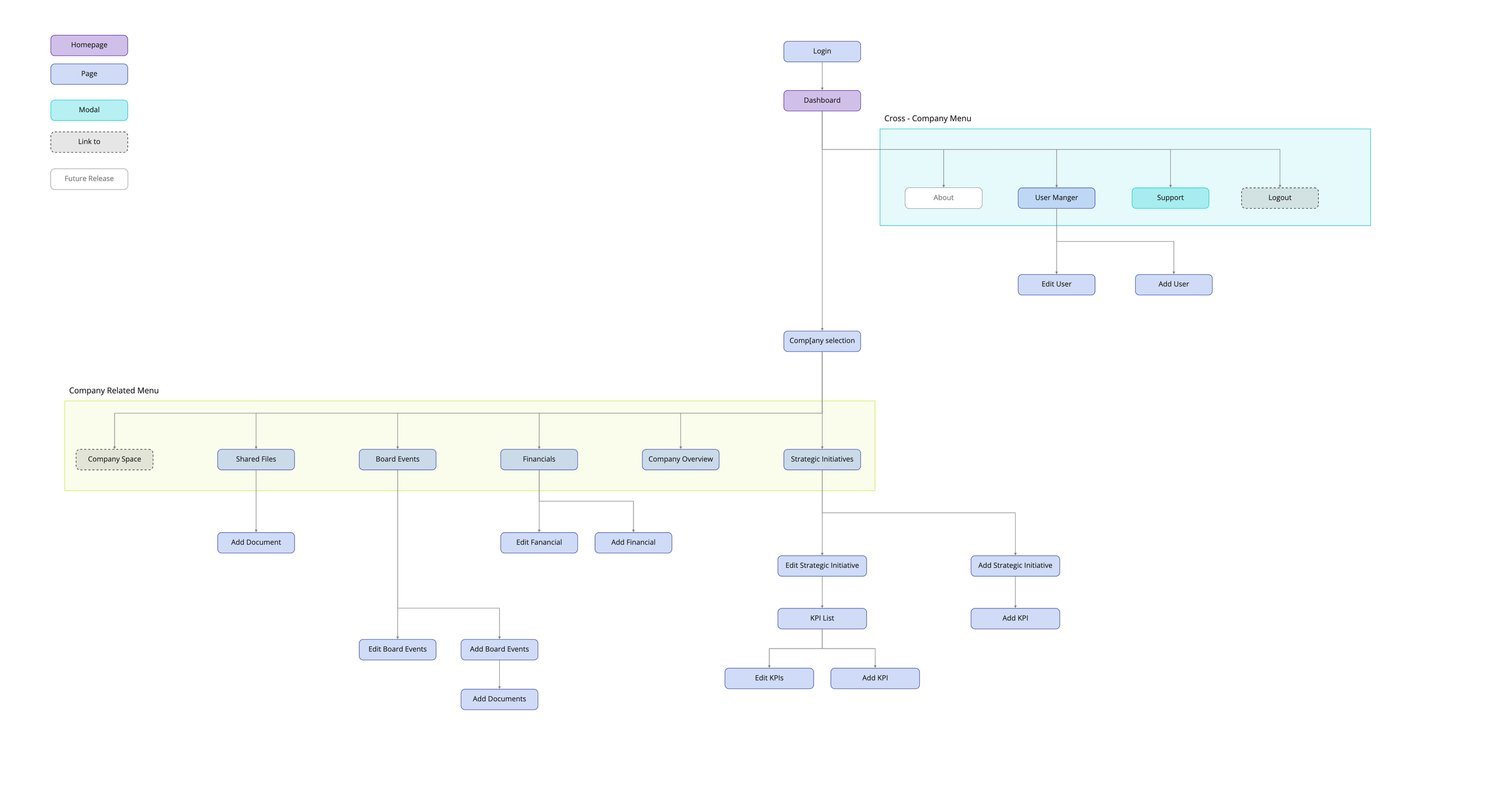
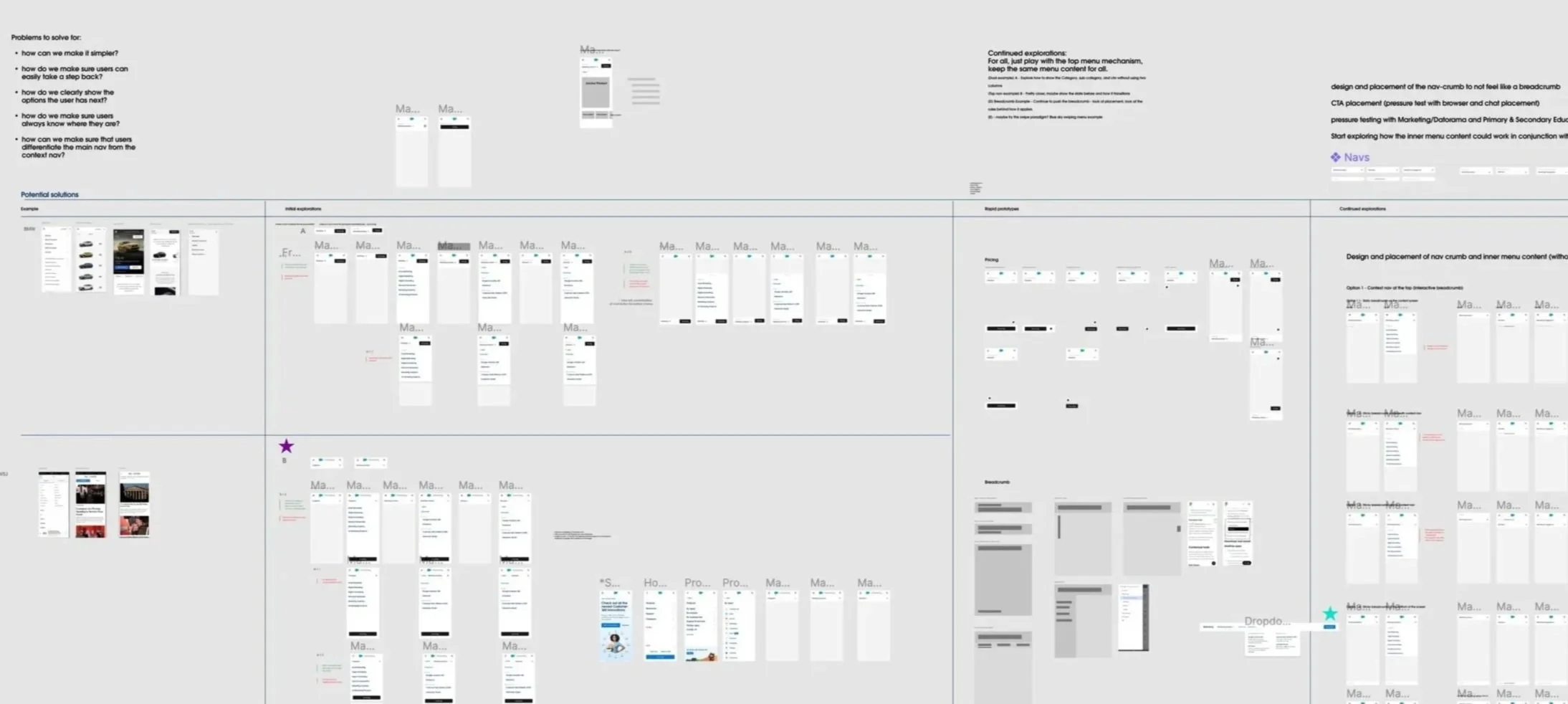
Working with people
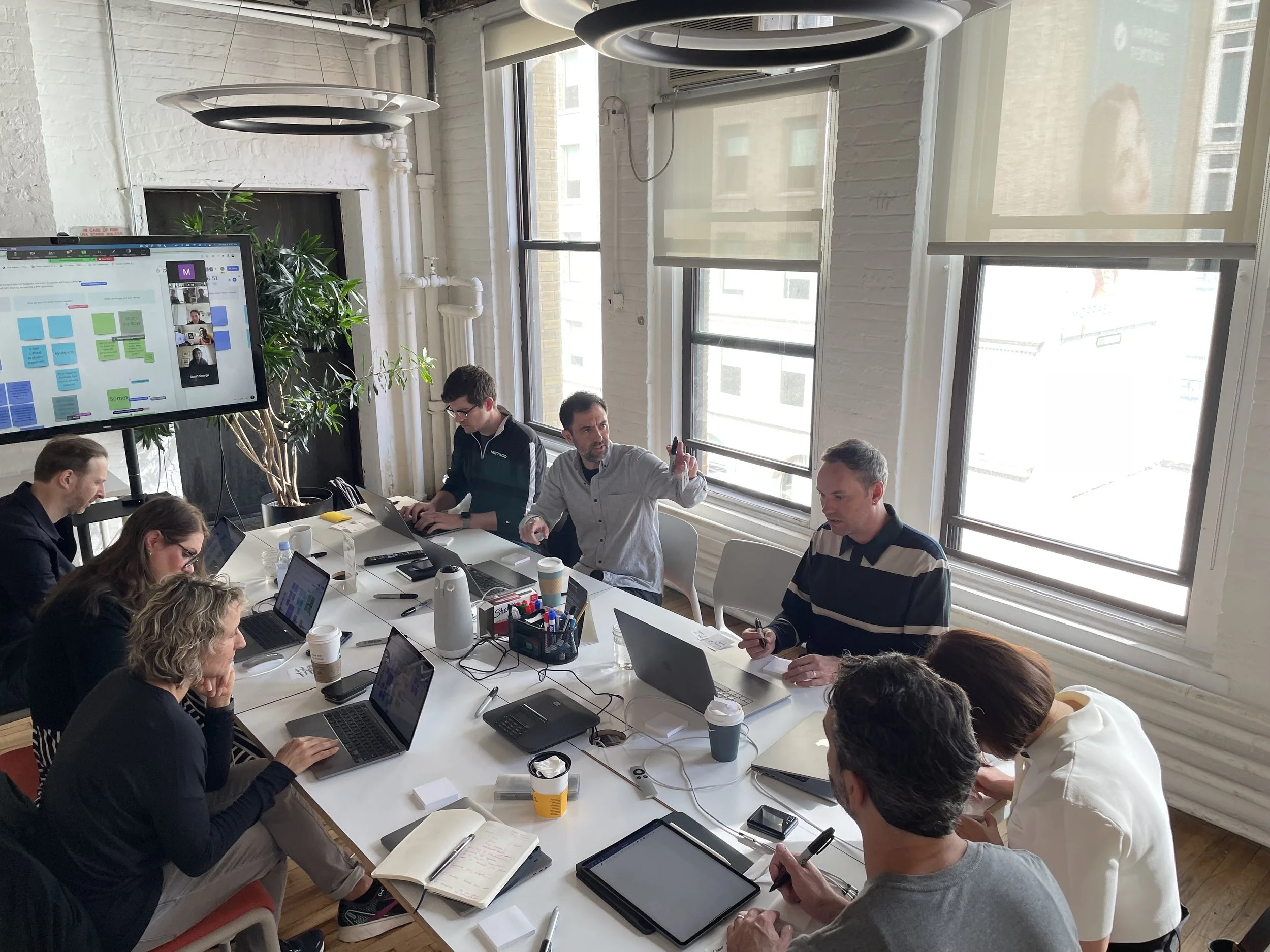
The people inside an organization know things no amount of research can fully replicate. They know the history of decisions, the informal rules, the reasons something was tried before and abandoned. They know their industry, their customers, and the constraints that don't appear in any brief.
My role is not to arrive with answers. It is to work alongside that knowledge — helping it become visible, organized, and actionable.
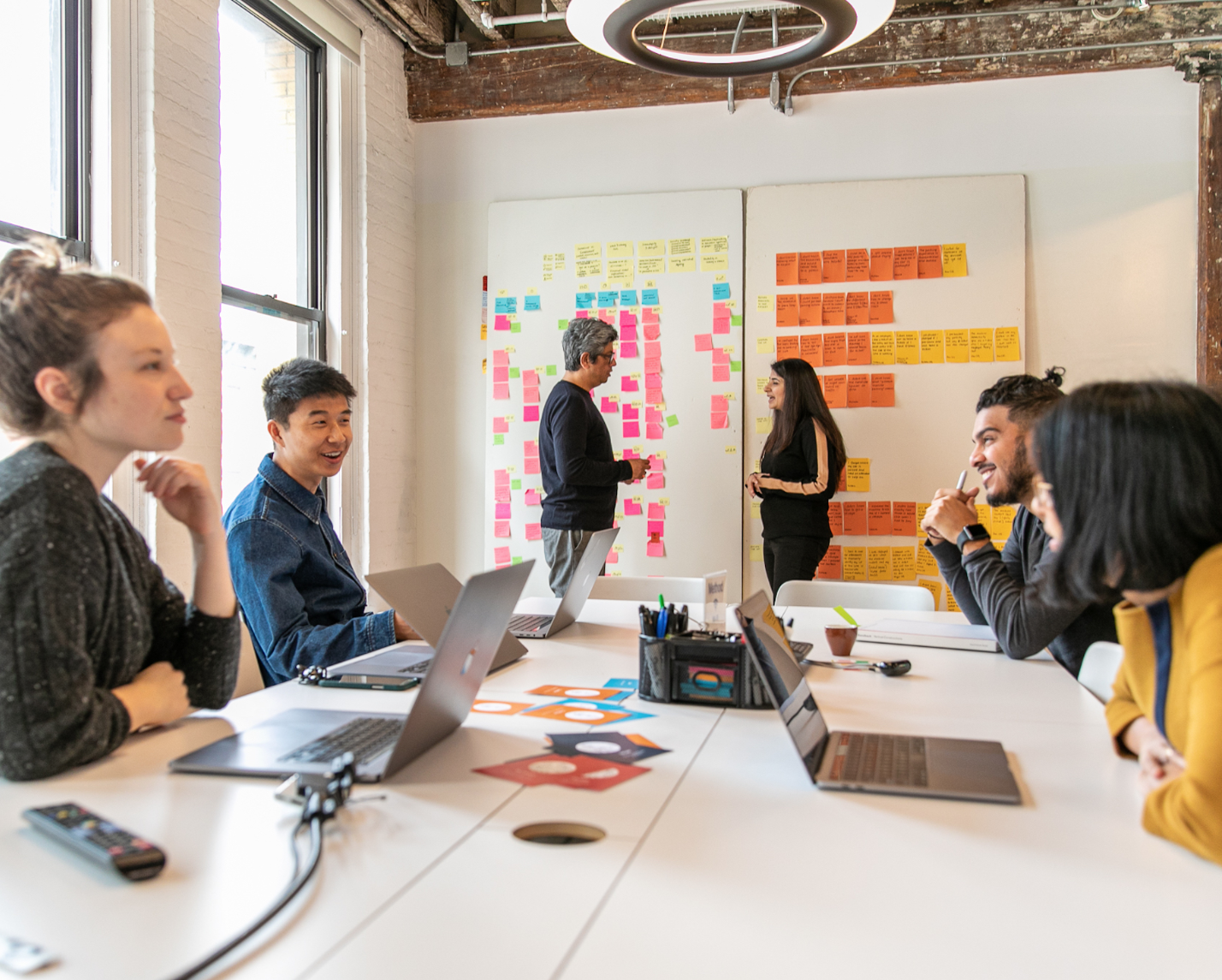
This means involving people early and genuinely. Not to validate decisions already made, but because the work is better when the people closest to the problem are part of shaping the response.
Leadership, engineering, operations, frontline teams, customers, communities. They are not stakeholders to be managed. They are co-authors of the work.
The role of craft
Craft is not visual polish. It is the quality of attention brought to every part of the work — including the parts that don't show.
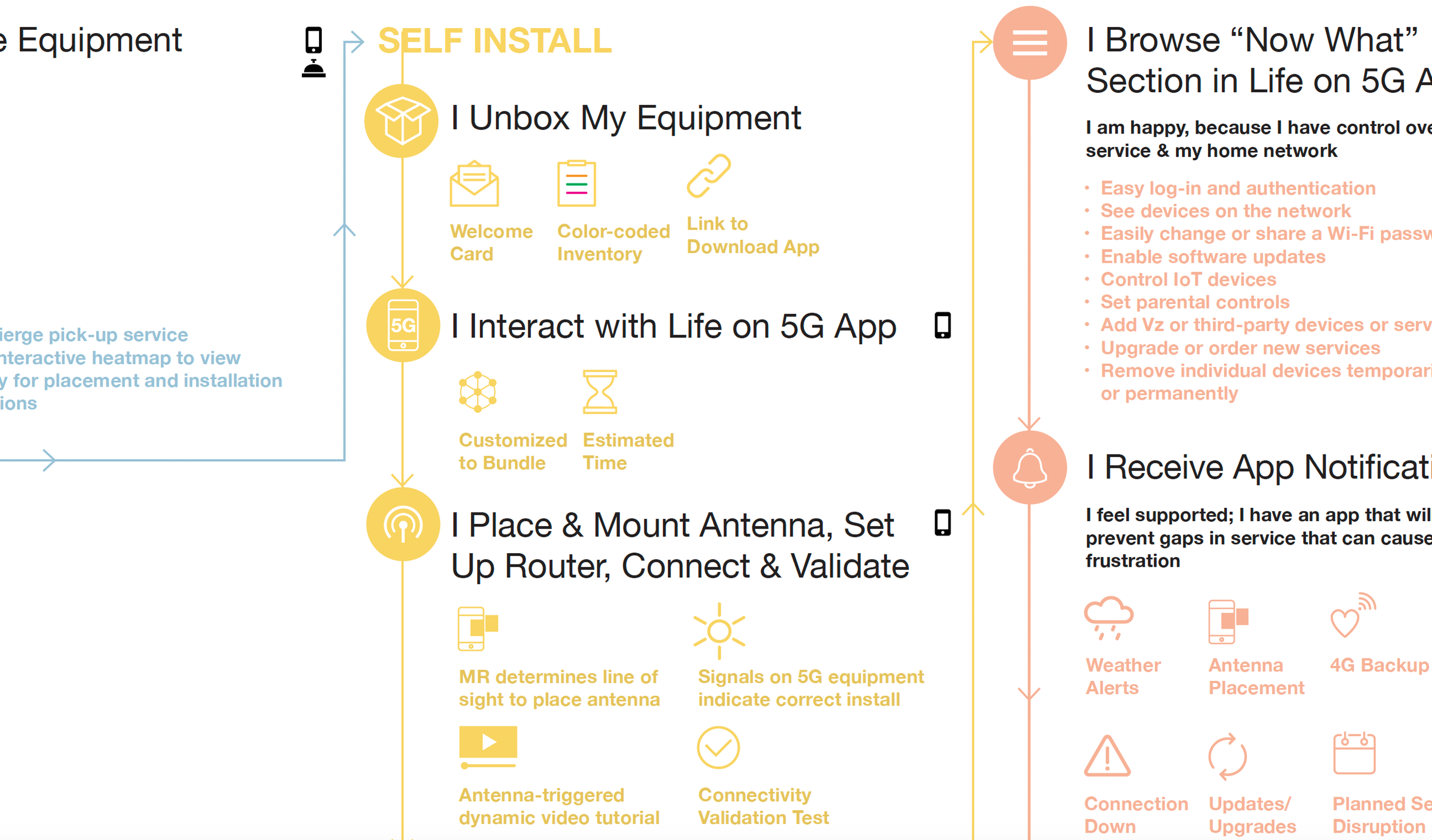
Some of the most important moments in a project happen during repetitive, tedious, iterative work. Going through an architecture one more time. Rewriting a principle until it says exactly the right thing. Tracing a flow from beginning to end again. This kind of sustained attention is where mistakes surface, where gaps become visible, and where new possibilities occasionally emerge from the friction of doing something carefully.
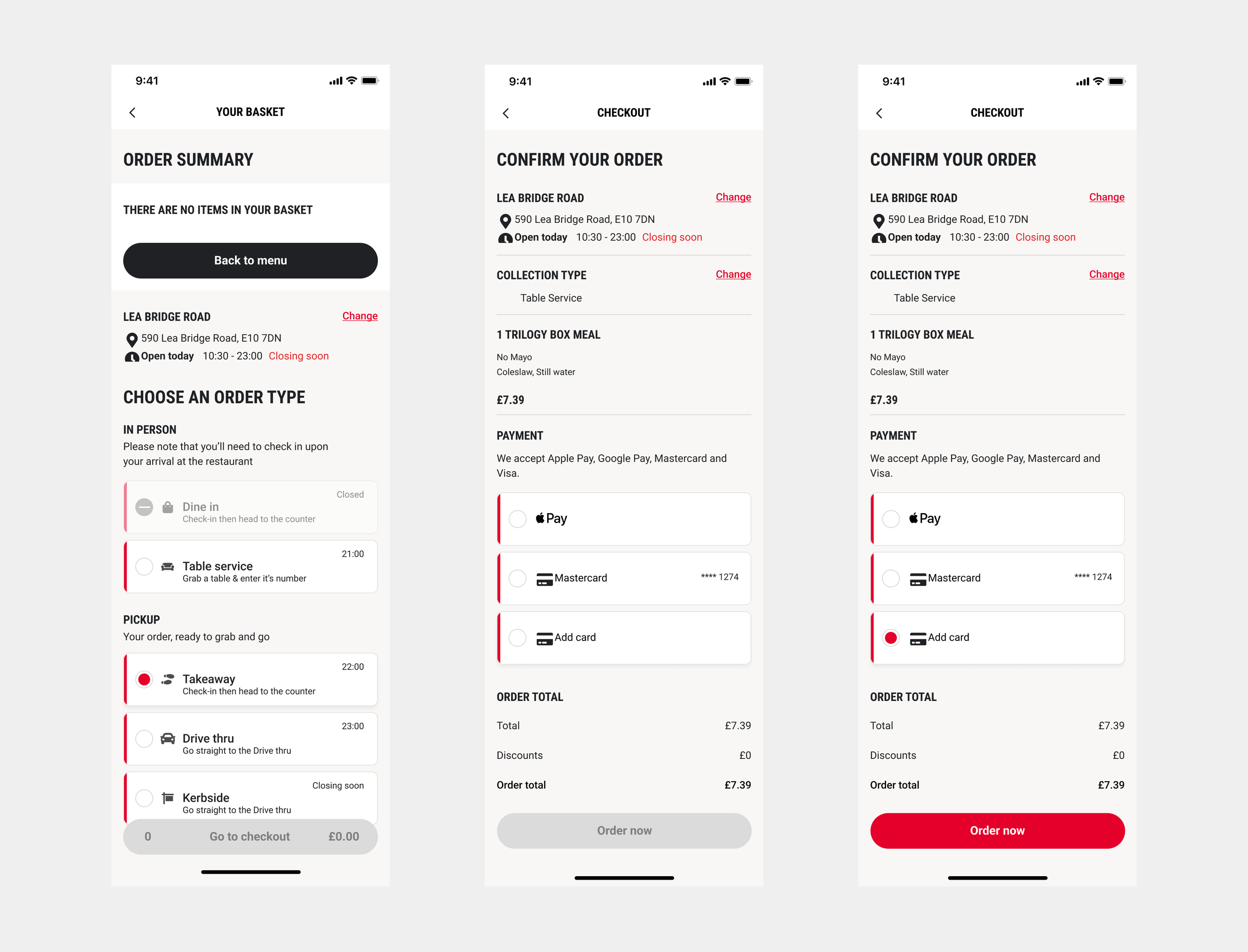
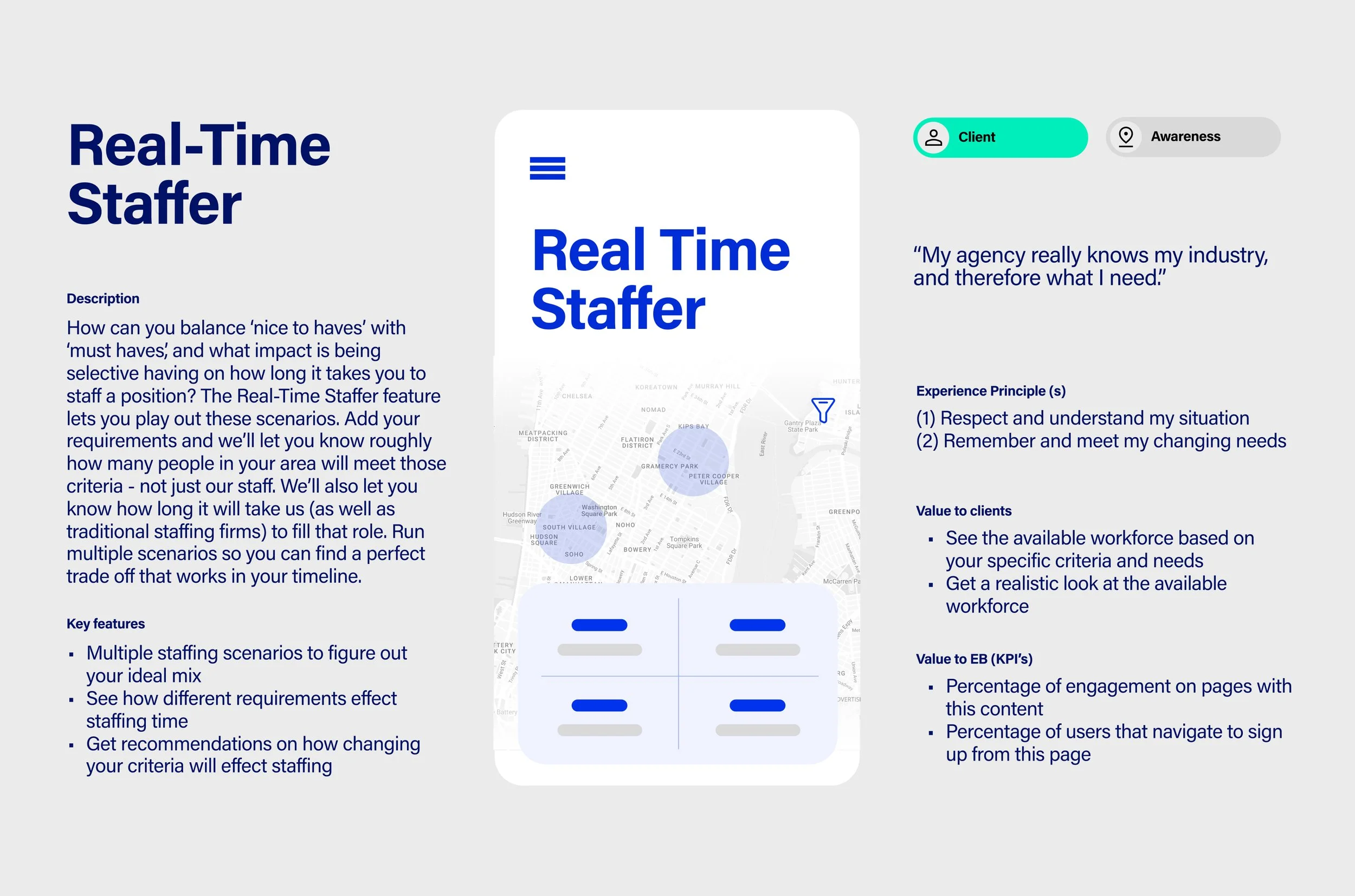
The elegance of a diagram. The precision of a research synthesis. The rhythm of a conversation. The coherence of a service. These are not finishing touches. They are evidence of how seriously the work was taken.

AI as a thinking partner
Most people use AI to move faster. My experience has been different.
AI has become useful to me not because it generates better answers, but because it changes the conditions under which thinking happens. Most professional inquiry operates under invisible constraints — the pressure to converge, the cost of changing your mind publicly, the discomfort of sustained uncertainty. AI removes those constraints. Assumptions can be challenged repeatedly. Entire directions can be abandoned and rebuilt without consequence.
Most thinking partners have some stake in the conclusion. AI does not.
This makes it genuinely useful for the kind of work described on this page — where the most important thing is understanding the situation clearly before committing to a direction. AI helps hold that question open longer than would otherwise be comfortable.
The decisions remain human. The judgment remains human. AI simply makes it possible to arrive at both more honestly.